In the hushed, hallowed halls of the world's premier auction houses, a unique alchemy takes place. It is where history, craftsmanship, and passion converge, often culminating in the seven-figure gavel fall for a rare violin or a prized guitar. For the uninitiated, navigating the intricate world of instrument auctions can feel like deciphering a complex musical score. This guide aims to demystify the process, offering a seasoned collector's perspective on how to approach these high-stakes events, not just as a bidder, but as a true connoisseur.
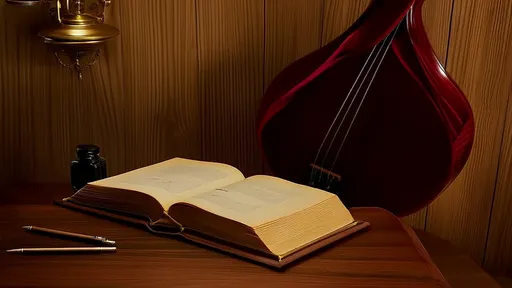
The journey begins long before the auction catalog is even printed. It starts with knowledge. A deep, almost scholarly understanding of instrument-making history is your most valuable asset. You are not merely buying an object; you are acquiring a piece of heritage. Who was the luthier? What was their period of peak production? How does this specific instrument fit into their broader oeuvre and the evolution of musical design? Distinguishing between a good instrument and a great one often lies in the minutiae—the choice of wood, the varnish's texture, the scroll's carving, and, most importantly, its provenance. A Stradivarius violin is not valuable solely because of its name; it is valuable because of its documented journey through time, the masters who have played it, and the impeccable condition it has been maintained in. This foundational knowledge is your compass.
Once armed with historical context, the next critical step is verification and condition assessment. This is where the romanticism of collecting meets cold, hard reality. The auction house's pre-sale estimates and catalog descriptions are a starting point, but they are not gospel. Always, without exception, insist on a physical inspection. If you cannot be there in person, hire a trusted expert—a luthier or a specialist consultant—to act as your eyes and ears. Examine the instrument under good light. Look for repairs, cracks, neck resets, or any signs of modification. A replaced bass bar or a repaired sound post patch can significantly affect both the value and the tonal quality. Originality is king in this market. An instrument with all its original components, even with minor wear, is almost always more desirable than a heavily restored one. Request a certificate of authenticity from a recognized authority, but also understand that certificates can be contested; your own due diligence is paramount.
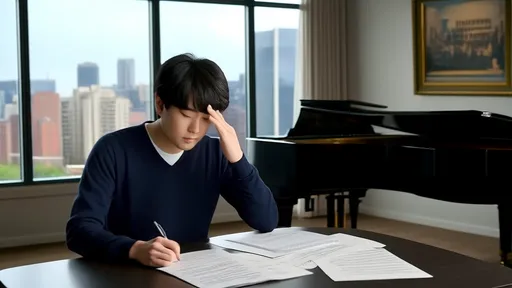
Understanding the market's rhythm is akin to a musician understanding tempo. The auction world is not static; it pulses with trends, economic climates, and collector demand. A particular maker might fall out of favor for a decade only to be rediscovered and achieve record prices. Follow past auction results religiously. Resources like online databases from Sotheby's, Christie's, and Tarisio provide a wealth of information on what similar instruments have sold for, giving you a realistic benchmark. However, be wary of emotional bidding. The thrill of the chase and the desire to win can easily push a bid far beyond an instrument's fair market value. Set a strict absolute maximum for yourself before the auction begins and have the discipline to walk away when the bidding exceeds it. Remember, there will always be another instrument.
The financial and logistical considerations are the unglamorous yet utterly essential coda to the entire process. Understand the auction house's buyer's premium—this additional percentage on top of the hammer price is a significant part of the final cost. Factor in insurance, which must be arranged the moment you become the successful bidder, and secure transportation. These are not items to be bought online and shipped in a cardboard box. We are talking about fragile, often irreplaceable artifacts that require specialized, climate-controlled shipping handled by fine art logistics companies. Furthermore, consider the long-term costs of ownership: maintenance, climate control in your own home, and potentially, security. Owning a million-dollar cello is not unlike owning a classic car; it requires constant, expert care to preserve its value and function.
Finally, approach the auction not as a mere marketplace, but as a theater of history. Each instrument on the block has a story to tell. It may have been played in a royal court, on a groundbreaking tour, or composed a symphony that changed music forever. The most successful collectors are those who appreciate this narrative as much as the object itself. They build relationships with specialists at the auction houses, network with other collectors, and immerse themselves in the culture. They understand that while financial investment is a consideration, the true reward is the privilege of being the next custodian in a instrument's long and storied life. So, do your homework, trust your experts, keep your emotions in check, and you may just secure not only a sound investment but a piece of living history.

By /Aug 22, 2025
By /Aug 22, 2025

By /Aug 22, 2025
By /Aug 22, 2025
By /Aug 22, 2025

By /Aug 22, 2025

By /Aug 22, 2025

By /Aug 22, 2025
By /Aug 22, 2025
By /Aug 22, 2025

By /Aug 22, 2025

By /Aug 22, 2025

By /Aug 22, 2025

By /Aug 22, 2025
By /Aug 22, 2025

By /Aug 22, 2025
By /Aug 22, 2025
By /Aug 22, 2025

By /Aug 22, 2025
By /Aug 22, 2025
