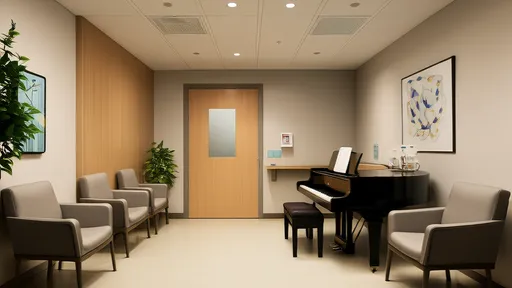
The gentle strains of a classical piano piece drift through the waiting area of a metropolitan hospital, a subtle auditory backdrop to the anxious whispers and turning pages of magazines. This seemingly simple choice represents years of research and careful consideration by healthcare administrators and environmental psychologists. The selection of waiting room music in medical facilities has evolved from mere background filler to a sophisticated tool in patient care strategy, balancing therapeutic benefits with institutional identity.
Hospital administrators recognize that the auditory environment significantly influences patient perception and experience. Studies conducted across healthcare facilities in North America and Europe consistently demonstrate that appropriate music selection can reduce perceived waiting times by up to twenty percent, a crucial factor in patient satisfaction metrics. The implementation of carefully curated playlists represents an intersection of hospitality principles and clinical outcomes, where the emotional state of patients becomes as important as their physical comfort while awaiting consultation.
The tempo and rhythm of waiting room music follow specific psychological parameters. Medical facilities typically avoid compositions with abrupt changes in dynamics or complex rhythmic structures that might heighten anxiety. Instead, they favor pieces with consistent tempos between 60 and 80 beats per minute, which subconsciously synchronizes with resting heart rates. This musical pacing creates a physiological echo that promotes calmness without sedation, allowing patients to maintain alertness while reducing stress hormone production.
Genre selection represents one of the most carefully negotiated aspects of waiting room music programming. While classical music remains prevalent for its demonstrated calming effects, contemporary healthcare facilities increasingly incorporate ambient electronic, soft jazz, and world music selections. The diversity reflects both evidence-based research and demographic considerations. Hospitals serving multicultural urban populations often create rotating playlists that feature instrumental versions of traditional music from various cultures, acknowledging the diverse community while maintaining therapeutic effectiveness.
Volume control represents perhaps the most critical technical consideration in music implementation. The audio engineers working with healthcare facilities adhere to strict decibel parameters, typically maintaining sound levels between 45 and 55 decibels—roughly equivalent to moderate rainfall. This careful calibration ensures the music remains present enough to provide auditory comfort without interfering with important announcements or conversations between patients and staff. The music should be felt rather than heard consciously, creating an atmosphere rather than demanding attention.
The temporal dimension of waiting room music programming reveals another layer of sophistication. Many facilities employ dynamic playlists that change throughout the day, with more uplifting compositions during morning hours and progressively more soothing selections as the day advances. Seasonal variations also occur, with some facilities introducing subtle holiday music during appropriate times of year, though always in instrumental arrangements to maintain the therapeutic environment. This temporal sensitivity demonstrates how music programming responds to both psychological and cultural rhythms.
Legal and copyright considerations significantly influence music selection in healthcare environments. Hospitals must secure appropriate licensing through performing rights organizations, which has led many facilities to partner with specialized music service providers that offer healthcare-approved playlists. These services provide not only legal coverage but also evidence-based musical programming developed in consultation with music therapists and psychological researchers. The commercial aspect of music licensing has created an entire industry niche focused specifically on therapeutic environmental music.
Patient demographics play a crucial role in music selection strategies. Pediatric wings often feature slightly different musical programming, sometimes incorporating subtle elements from popular children's media in instrumental arrangements. Geriatric facilities frequently include music from specific eras that might trigger positive nostalgic responses in their patient population. This demographic targeting extends to cardiac units, where particularly strict tempo parameters apply, and mental health facilities, where music selection undergoes additional review for potential emotional triggers.
The architectural acoustics of waiting areas present unique challenges that influence music selection. Modern hospital design often features hard surfaces that create reflective sound environments, requiring music programming that can withstand acoustic distortion. Older facilities with more absorbent materials might require different equalization and composition selection. Audio engineers often work with architectural teams during hospital construction or renovation to create optimal acoustic environments for the therapeutic music system.
Staff considerations form another important factor in music programming. While primarily focused on patient experience, administrators must consider the music's effect on medical professionals who hear it throughout their shifts. Research indicates that appropriate background music can reduce staff stress levels and improve workplace satisfaction, though the selection must avoid becoming distracting or annoying through repetition. Many facilities create playlists that rotate over several weeks to prevent auditory fatigue among both patients and staff.
The emergence of evidence-based design in healthcare facilities has elevated music selection from an administrative afterthought to a considered element of patient care. Research institutions now publish studies specifically addressing the physiological and psychological effects of different musical elements in medical environments. This growing body of literature informs increasingly sophisticated music programming strategies that account for everything from key signatures and instrumentation to harmonic progression and melodic contour.
Technological advancements have revolutionized how hospitals implement waiting room music. Digital music systems allow for precise zoning, enabling different areas of a facility to receive appropriately tailored programming. Emergency waiting rooms might receive more calming selections than general admission areas. Sophisticated software can automatically adjust volume based on ambient noise levels, maintaining the perfect auditory balance regardless of how crowded a waiting area becomes throughout the day.
The psychological principle of masking represents another consideration in music selection. Appropriate background music can help mask unsettling auditory cues typical in medical environments—the beep of medical equipment, whispered consultations, or other sounds that might increase patient anxiety. The music serves as an auditory curtain that provides privacy and comfort simultaneously, creating a buffer between patients and the clinical environment they temporarily inhabit.
Cultural sensitivity guides music selection in increasingly diverse healthcare environments. Facilities serving specific cultural communities might incorporate traditional instruments or musical modes that resonate particularly well with their patient population. This cultural customization extends beyond ethnicity to include religious considerations, generational preferences, and regional musical traditions. The most effective waiting room music programs feel unconsciously familiar to patients, creating a sense of comfort through auditory recognition.
The future of waiting room music likely involves increased personalization through technology. Some facilities already experiment with systems that allow patients to select from several music channels through their phones or provided tablets. This approach acknowledges that musical preference remains highly individual while maintaining the therapeutic benefits of controlled auditory environments. As healthcare continues embracing patient-centered design, music programming will likely become more adaptive and responsive to individual needs.
Ultimately, the sophisticated approach to music selection in hospital waiting areas represents healthcare's growing recognition that healing involves more than medical procedures. The auditory environment constitutes an important element of the overall patient experience, capable of reducing anxiety, improving perception of care, and even influencing physiological markers of stress. What appears as simple background music actually represents a complex intersection of psychology, acoustics, cultural studies, and medical research—all working in concert to create environments conducive to healing.

By /Aug 22, 2025

By /Aug 22, 2025

By /Aug 22, 2025

By /Aug 22, 2025

By /Aug 22, 2025

By /Aug 22, 2025

By /Aug 22, 2025

By /Aug 22, 2025

By /Aug 22, 2025

By /Aug 22, 2025
By /Aug 22, 2025

By /Aug 22, 2025

By /Aug 22, 2025

By /Aug 22, 2025

By /Aug 22, 2025

By /Aug 22, 2025

By /Aug 22, 2025

By /Aug 22, 2025

By /Aug 22, 2025

By /Aug 22, 2025
