In the ever-evolving landscape of music education technology, a new wave of intelligent ear training applications has emerged, promising to revolutionize how musicians develop their auditory skills. These apps leverage cutting-edge algorithms and adaptive learning techniques to offer personalized training experiences that were once only possible with a private instructor. The market is flooded with options, each claiming to be the ultimate solution for perfect pitch, interval recognition, and chord progression mastery. But how do these digital maestros truly perform when put to the test?
The fundamental premise behind these applications lies in their ability to analyze user performance in real-time and adjust difficulty levels accordingly. Unlike traditional static exercises, intelligent ear training apps create dynamic learning paths that challenge users at precisely the right level to maximize progress while minimizing frustration. This adaptive approach represents a significant departure from conventional methods, offering what many educators are calling a paradigm shift in auditory skills development.
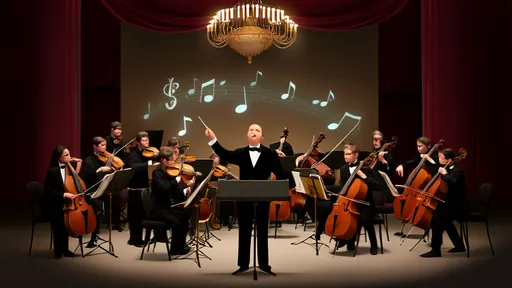
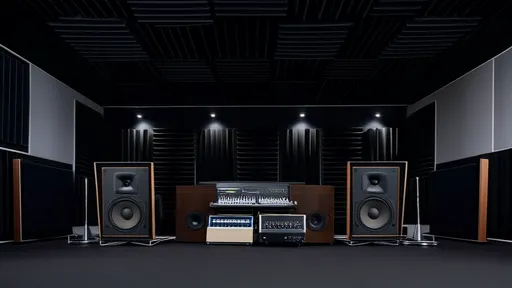
One of the most impressive aspects of these applications is their sophisticated audio processing capabilities. Through advanced signal analysis, they can generate incredibly accurate musical examples across various instruments and genres. The sound quality has reached professional studio standards, with nuanced tonal variations that help train ears to distinguish subtle differences in timbre and articulation. This attention to acoustic detail makes the training experience not only educational but genuinely enjoyable for musicians of all levels.
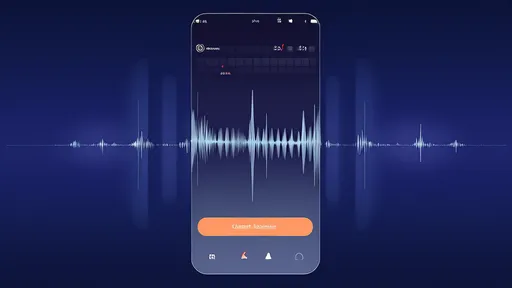
User experience design plays a crucial role in the effectiveness of these applications. The most successful ones feature intuitive interfaces that make complex musical concepts accessible without oversimplifying the material. Visual feedback mechanisms complement auditory exercises, helping users form stronger mental connections between what they hear and what they see in musical notation. This multisensory approach accelerates learning by engaging different cognitive pathways simultaneously.
Progress tracking and analytics have become standout features in modern ear training apps. Detailed performance metrics allow users to identify specific areas needing improvement, from interval recognition accuracy to chord quality identification speed. Some applications even provide comparative data showing how a user's skills measure against professional musicians or other learners at similar stages. This data-driven approach transforms abstract musical development into tangible, measurable growth.
The social and competitive elements incorporated into many of these applications have proven particularly effective in maintaining user engagement. Leaderboards, achievement systems, and challenge modes create compelling reasons for users to practice consistently. This gamification of ear training has successfully addressed the motivation problem that often plagues self-directed musical study, turning what can be tedious practice into an engaging daily habit.
Accessibility features represent another area where these applications excel. Customizable difficulty settings, adjustable tempos, and the ability to focus on specific musical elements make advanced ear training available to everyone from complete beginners to conservatory-level musicians. The flexibility to practice anywhere, anytime, without needing instruments or practice rooms, has democratized access to high-quality musical education in unprecedented ways.
However, the technology is not without its limitations. Some users report that while apps excel at teaching recognition of isolated musical elements, they sometimes struggle to prepare musicians for the complex, messy reality of actual musical performance. The clean, perfectly tuned examples generated by algorithms can create an artificial listening environment that doesn't always translate seamlessly to real-world musical contexts. Developers are increasingly addressing this concern by incorporating more authentic musical examples and performance scenarios.
The future of intelligent ear training applications looks promising, with emerging technologies like artificial intelligence and machine learning poised to take personalization to new heights. We're already seeing early implementations of AI coaches that can provide verbal feedback and create completely customized exercise regimens based on individual learning patterns. As these technologies mature, they may fundamentally reshape not just how we train our ears, but how we learn music overall.
Ultimately, the value of these applications lies in their ability to make consistent, effective ear training accessible to millions of musicians worldwide. While they may not replace human teachers entirely, they serve as powerful supplements that can dramatically accelerate auditory development. The best applications combine technological sophistication with pedagogical soundness, creating tools that are both cutting-edge and educationally rigorous. As the technology continues to evolve, we can expect even more innovative approaches to developing that most essential of musical skills: the trained ear.

By /Aug 22, 2025
By /Aug 22, 2025

By /Aug 22, 2025

By /Aug 22, 2025

By /Aug 22, 2025

By /Aug 22, 2025

By /Aug 22, 2025
By /Aug 22, 2025

By /Aug 22, 2025

By /Aug 22, 2025

By /Aug 22, 2025

By /Aug 22, 2025
By /Aug 22, 2025

By /Aug 22, 2025
By /Aug 22, 2025

By /Aug 22, 2025
By /Aug 22, 2025

By /Aug 22, 2025

By /Aug 22, 2025
By /Aug 22, 2025
